
Advancing Aesthetic Knowledge Through Science, Skin, and Anatomy
On May 5, 2025, Split Aesthetic Academy proudly hosted an advanced educational event focused on the scientific foundations and evolving techniques of aesthetic medicine.

Exosomes are one of the most innovative ingredients in modern cosmetics, with their application increasingly explored in skin regeneration, anti-aging care, and hyperpigmentation treatments. But what exactly are exosomes, how do they work, and who are they suitable for? In this blog, we provide a detailed overview of their role in skincare, potential benefits, and challenges associated with their broader use.
Exosomes are microscopic vesicles naturally secreted by cells into their environment. They contain bioactive substances such as proteins, lipids, nucleic acids, and enzymes, with their primary function being the transfer of information between cells. In the context of skincare, exosomes can stimulate cell regeneration, promote collagen and elastin synthesis, reduce inflammation, and improve skin hydration and elasticity.
Exosomes are often compared to serums rich in growth factors because they carry key molecules that promote skin renewal. However, unlike traditional active ingredients, exosomes can target the delivery of beneficial compounds precisely where they are needed, enhancing their effectiveness.
Exosomes are a promising ingredient for a wide range of users, including:
Exosomes stimulate fibroblasts to produce collagen and elastin, improving skin firmness and reducing wrinkles. They also help reduce oxidative stress, a major cause of premature skin aging.
Studies show that exosomes can regulate melanin production and reduce the appearance of dark spots, melasma, and post-inflammatory hyperpigmentation. This effect makes them highly appealing for formulations aiming to even out skin tone.
Thanks to their anti-inflammatory properties, exosomes can speed up skin regeneration after damage, reduce redness and irritation, and promote tissue repair.
Exosomes stimulate the production of hyaluronic acid, essential for maintaining skin moisture. They also strengthen the skin barrier, reduce water loss, and make the skin more resilient to external factors.
While exosomes show great potential in skincare, there are certain challenges:
Exosomes represent one of the most exciting advancements in the cosmetic industry, thanks to their ability to regenerate skin, reduce wrinkles, hyperpigmentation, and inflammation. Although challenges remain, technological development and further research could make exosomes a standard ingredient in future cosmetic products.
If you’re looking for innovative care to elevate your skin’s regeneration and health, products with exosomes might be exactly what you need!
Be sure to visit our blog for more useful and handy information related to aesthetic medicine and cosmetology!

On May 5, 2025, Split Aesthetic Academy proudly hosted an advanced educational event focused on the scientific foundations and evolving techniques of aesthetic medicine.
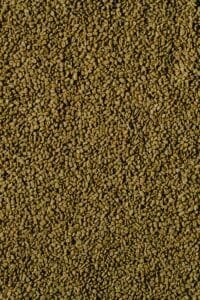
Fenugreek (Trigonella foenum-graecum L.), known for its antioxidant, anti-inflammatory, and antibacterial properties, is gaining attention as a powerful skincare ingredient. Rich in bioactive compounds like epicatechin, it helps combat oxidative stress, reducing signs of aging such as wrinkles and loss of skin elasticity.

Cervicofacial rejuvenation, particularly in the neck and lower face, is becoming a popular choice for patients seeking lasting aesthetic improvements. Key surgical techniques like platysmaplasty, combined with advanced methods such as laser and ultrasound-assisted procedures, offer natural, durable results.