
Advancing Aesthetic Knowledge Through Science, Skin, and Anatomy
On May 5, 2025, Split Aesthetic Academy proudly hosted an advanced educational event focused on the scientific foundations and evolving techniques of aesthetic medicine.

The cosmetic industry is increasingly seeking natural, effective, and environmentally friendly ingredients for skincare. One plant extract attracting significant attention is fenugreek (*Trigonella foenum-graecum L.*), a plant rich in antioxidants, polyphenols, and other bioactive compounds. According to recent scientific studies, fenugreek seed extract has demonstrated strong antioxidant, anti-inflammatory, and antibacterial properties, making it an ideal candidate for innovative cosmetic formulations.
Skin aging is caused by oxidative stress, where free radicals damage collagen and elastin, leading to wrinkles and loss of elasticity. The plant contains a high concentration of epicatechin, a compound that neutralizes free radicals and reduces oxidative skin damage. These properties make fenugreek a powerful ally in combating premature aging.
Fenugreek extract has shown a broad spectrum of antibacterial activity, particularly against *Staphylococcus aureus* and *Escherichia coli*, which are often associated with acne and other skin infections. This effect is due to the presence of polyphenols and flavonoids, which disrupt bacterial cell membranes and inhibit their growth.
Inflammatory processes play a key role in various skin conditions, including acne, redness, and irritation. Studies have shown that its extract significantly reduces the production of nitric oxide (NO) in macrophage cells, thereby decreasing inflammation. This effect suggests that fenugreek could be beneficial in treatments for sensitive and inflammation-prone skin.
Traditional extraction methods often require large amounts of solvents and high temperatures, which can reduce the effectiveness of bioactive compounds. However, recent research indicates that ultrasound-assisted extraction (UAE) allows for better utilization of active ingredients with less environmental impact. This method improves extract stability, making it suitable for long-term use in cosmetic products.
To test the effectiveness of its extract, scientists incorporated the plant into an emulsion cream. The results showed that the fenugreek cream maintained stability over 90 days, without significant changes in pH, color, or viscosity. Additionally, users positively rated the texture, ease of absorption, and skin feel.
Fenugreek extract demonstrates significant potential as a natural antioxidant, anti-inflammatory, and antibacterial ingredient for cosmetic products. Its efficient extraction, stability in formulations, and beneficial effects on the skin make it an ideal candidate for anti-aging creams, serums, and treatments for problematic skin.
With the growing demand for natural and sustainable cosmetic solutions, this plant could become one of the key ingredients in the next generation of skincare products.
Be sure to visit our blog for more useful and handy information related to aesthetic medicine and cosmetology!

On May 5, 2025, Split Aesthetic Academy proudly hosted an advanced educational event focused on the scientific foundations and evolving techniques of aesthetic medicine.
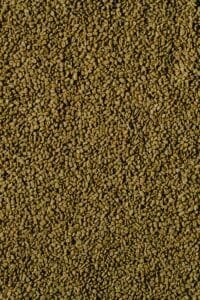
Fenugreek (Trigonella foenum-graecum L.), known for its antioxidant, anti-inflammatory, and antibacterial properties, is gaining attention as a powerful skincare ingredient. Rich in bioactive compounds like epicatechin, it helps combat oxidative stress, reducing signs of aging such as wrinkles and loss of skin elasticity.
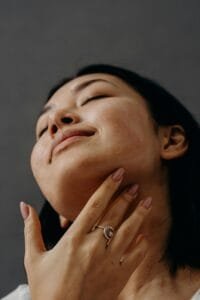
Cervicofacial rejuvenation, particularly in the neck and lower face, is becoming a popular choice for patients seeking lasting aesthetic improvements. Key surgical techniques like platysmaplasty, combined with advanced methods such as laser and ultrasound-assisted procedures, offer natural, durable results.